April 27, 2026
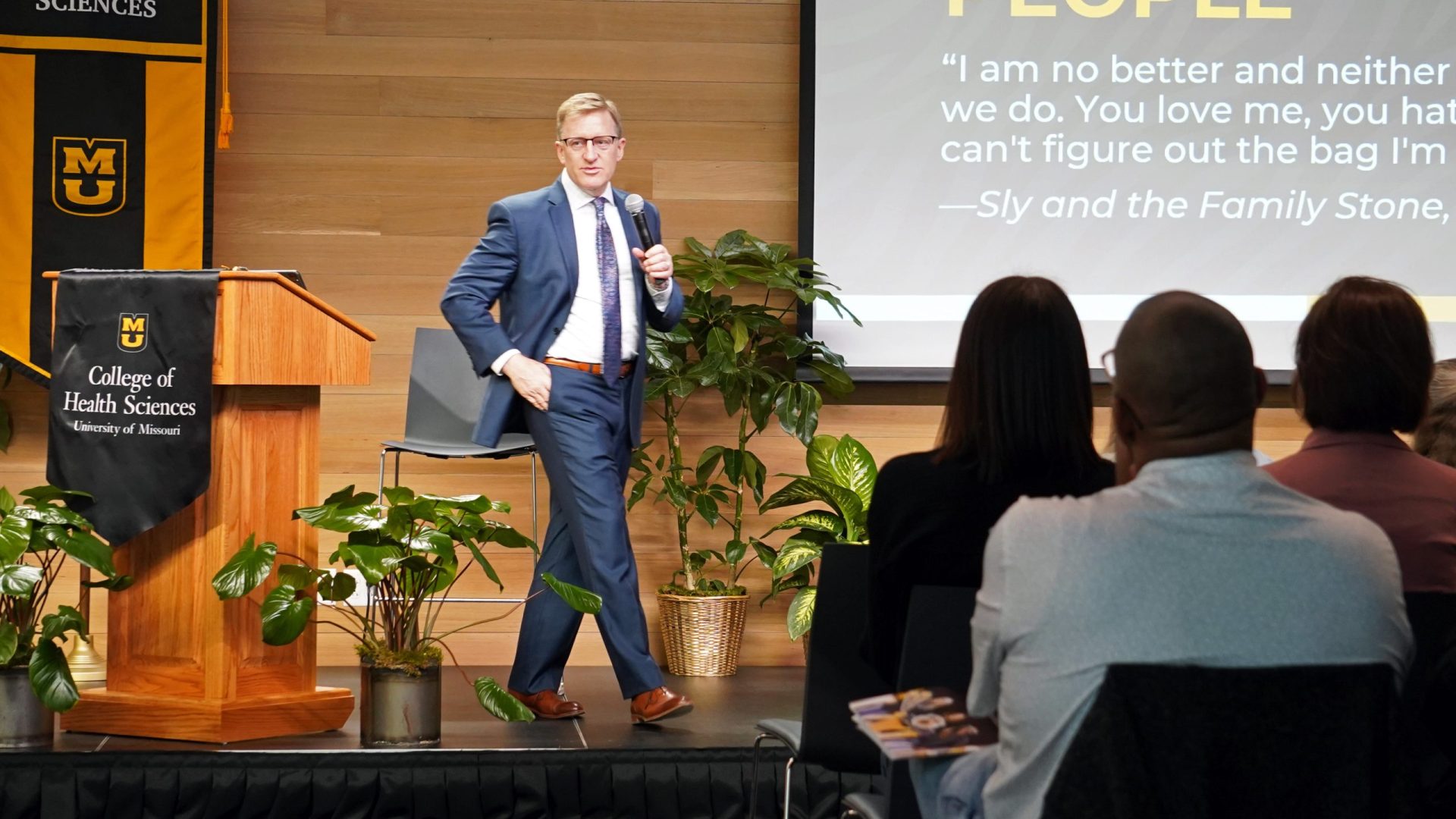
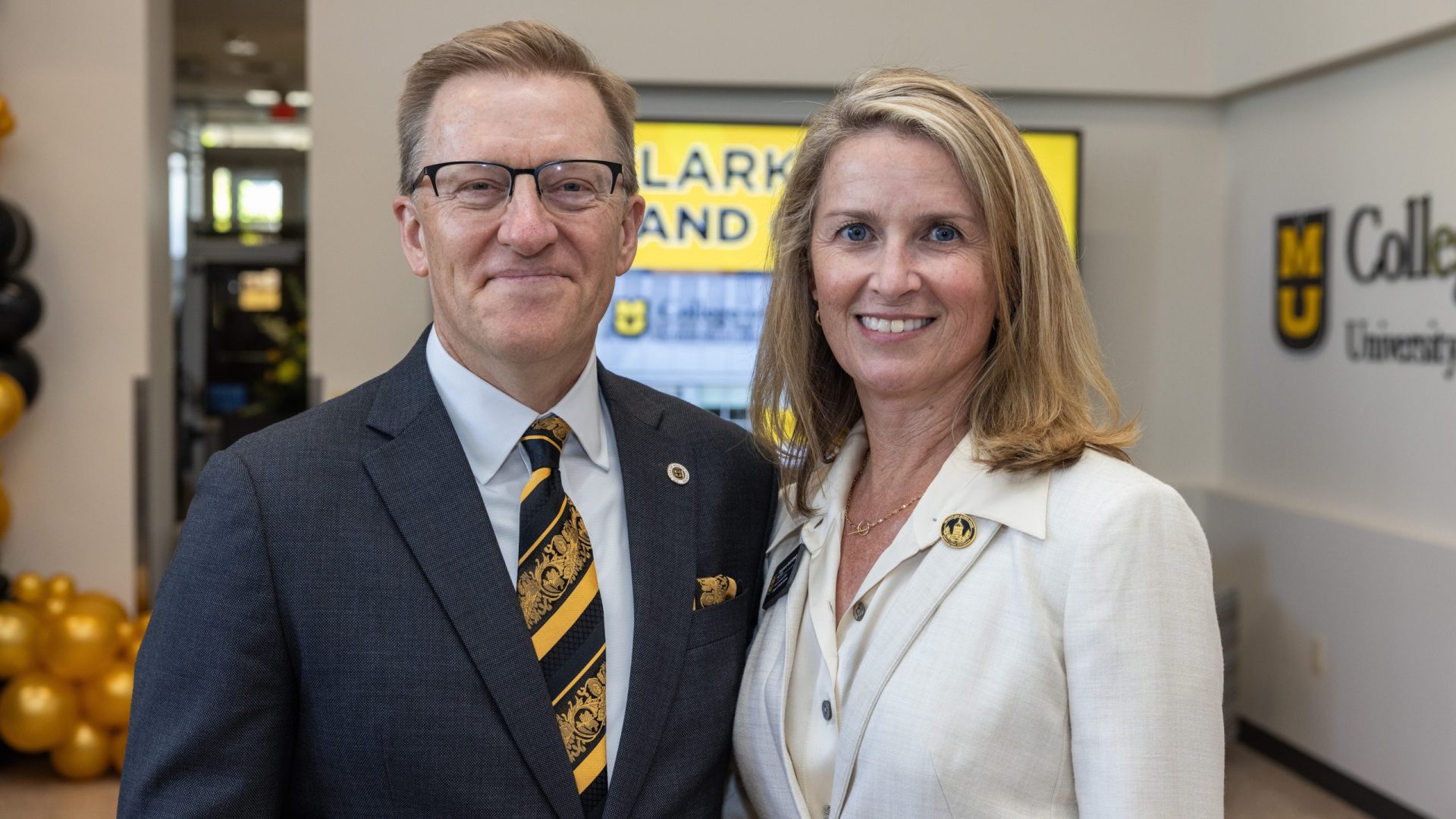
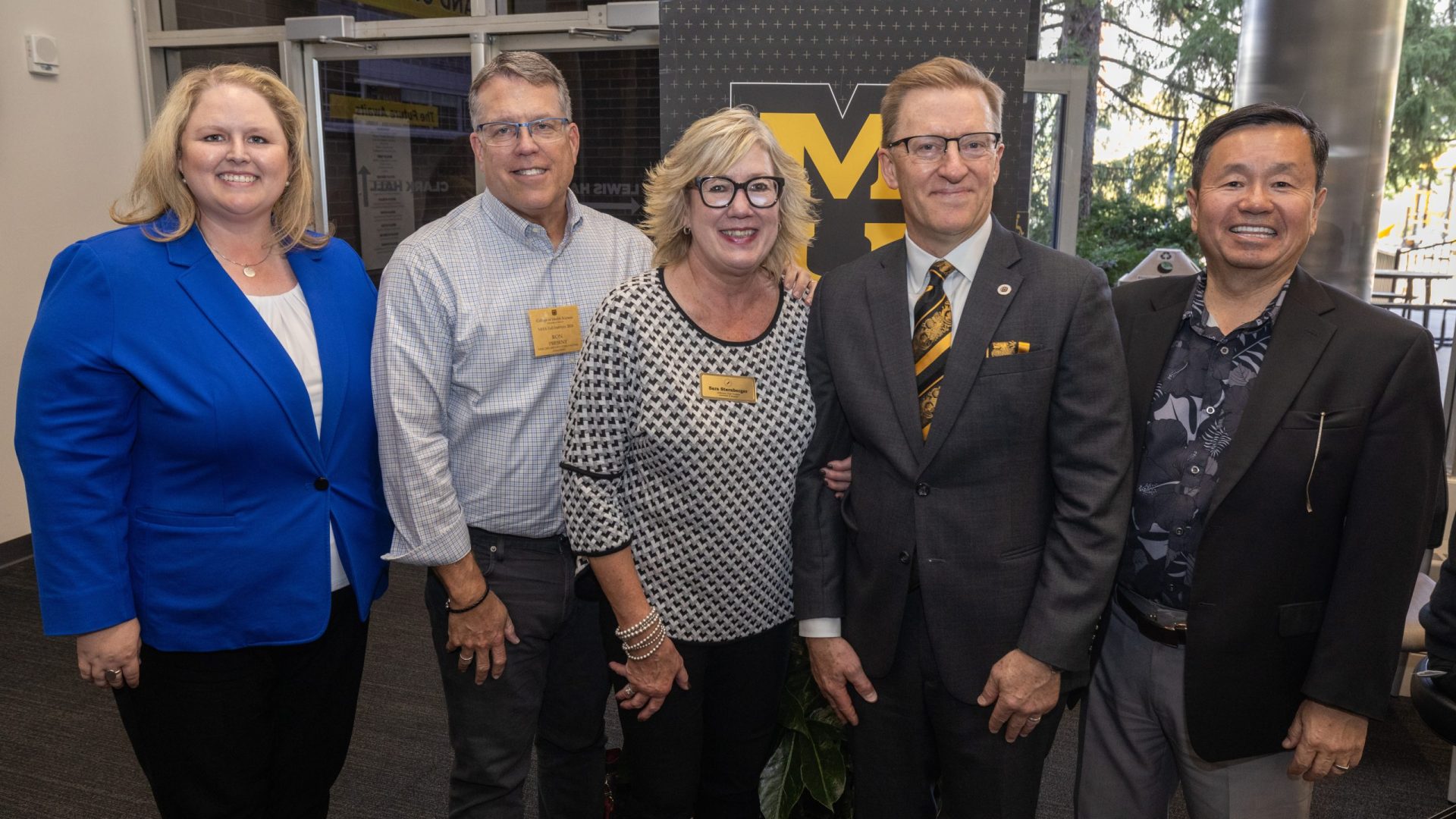
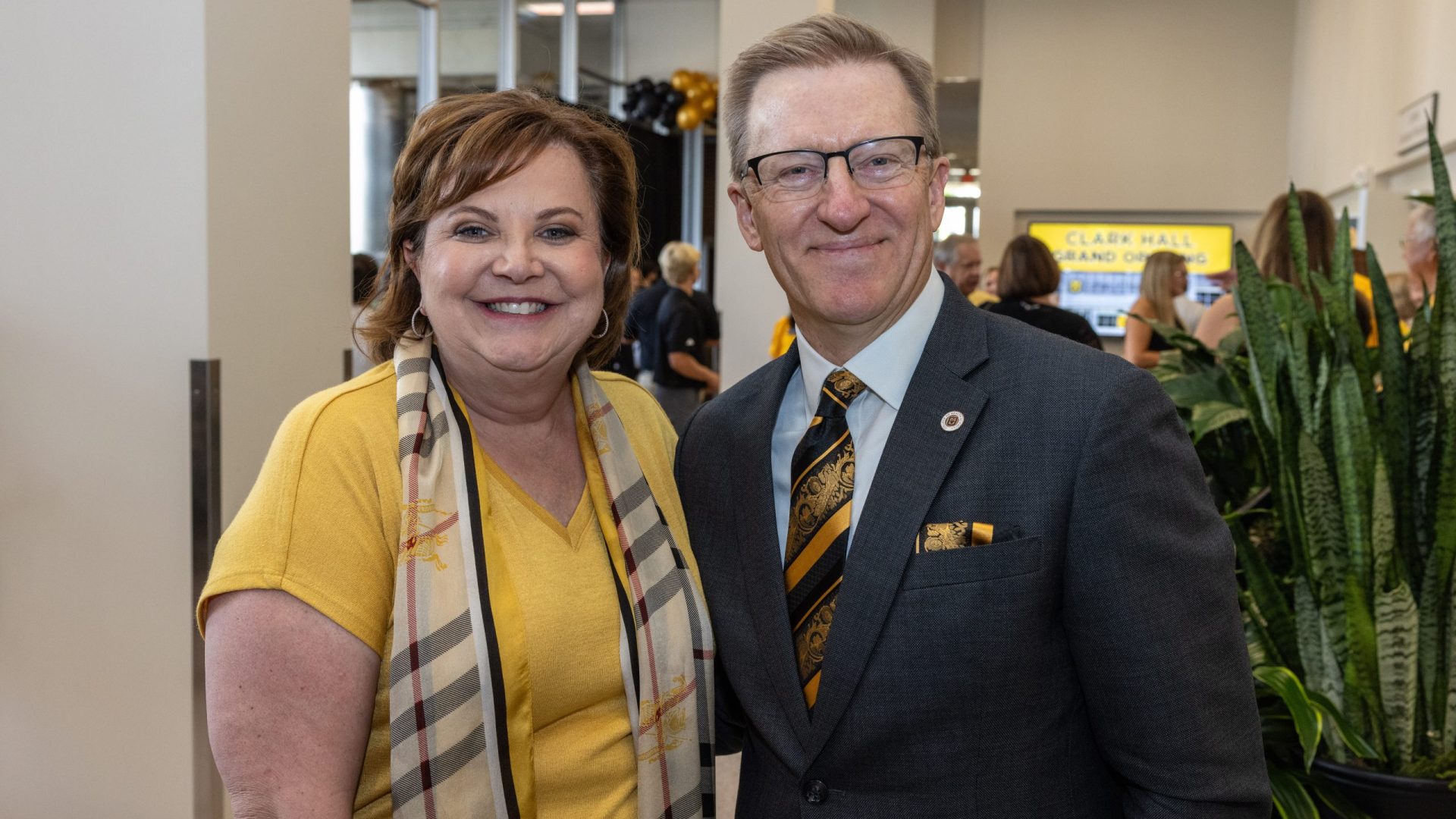
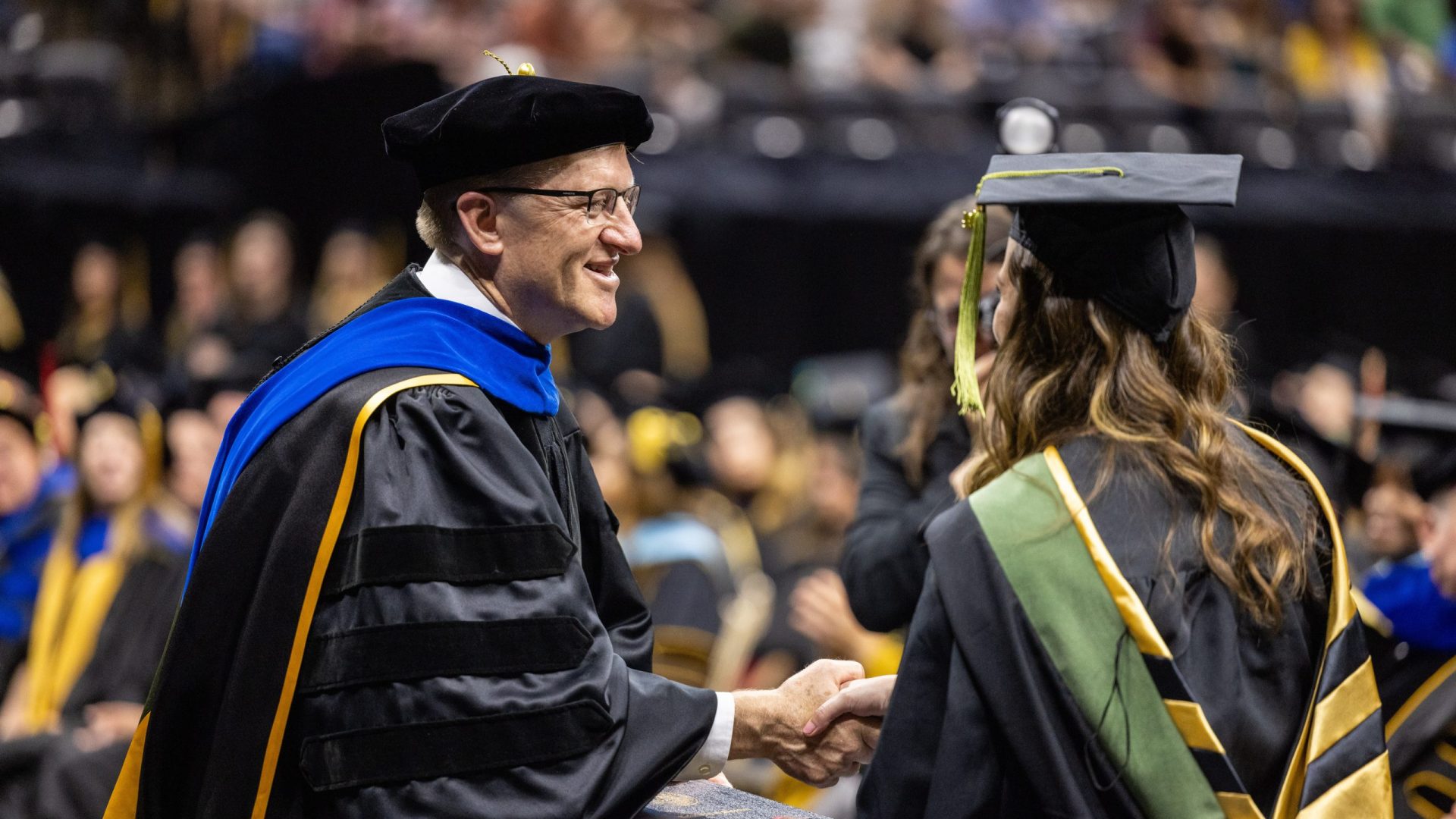
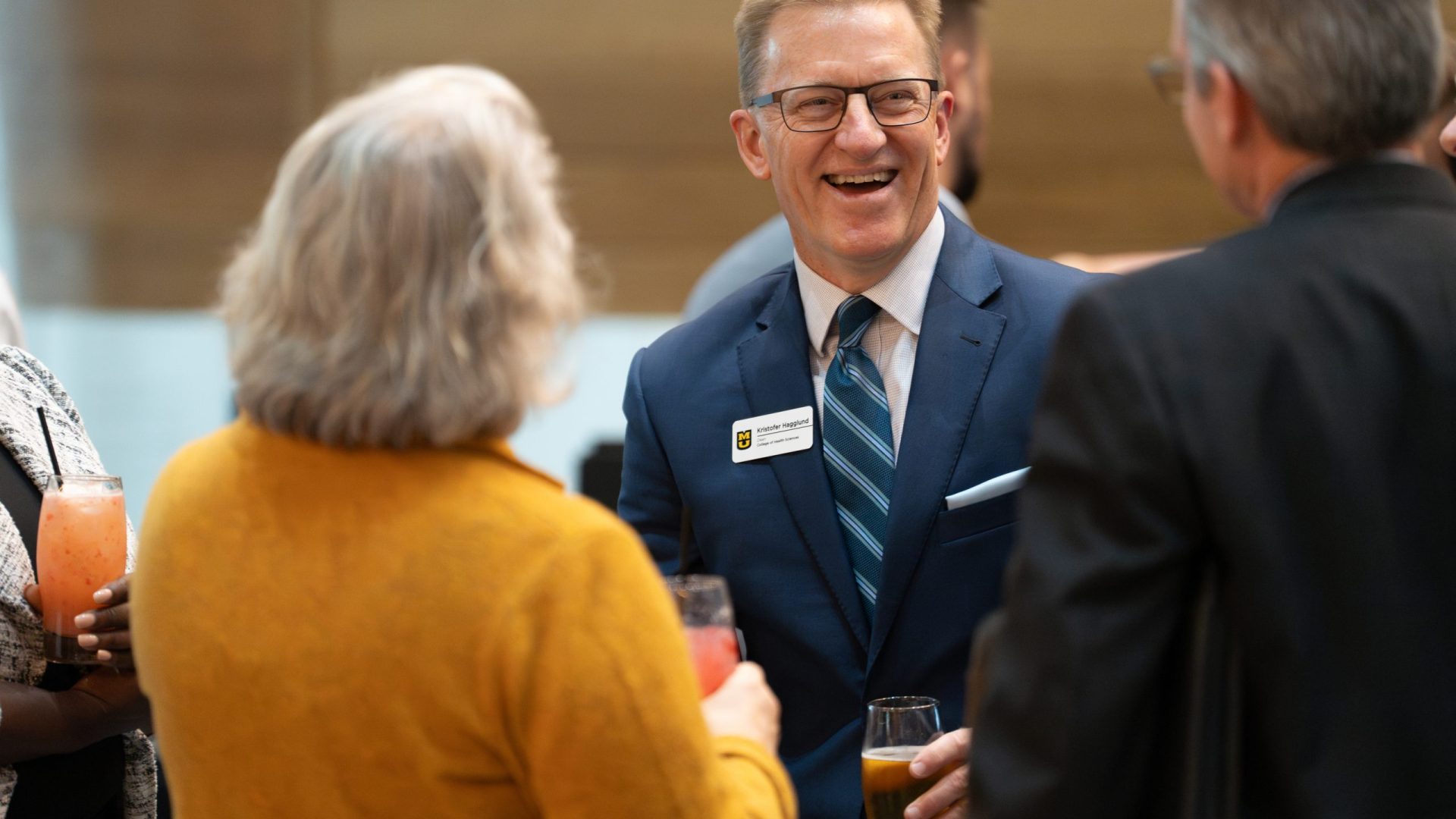
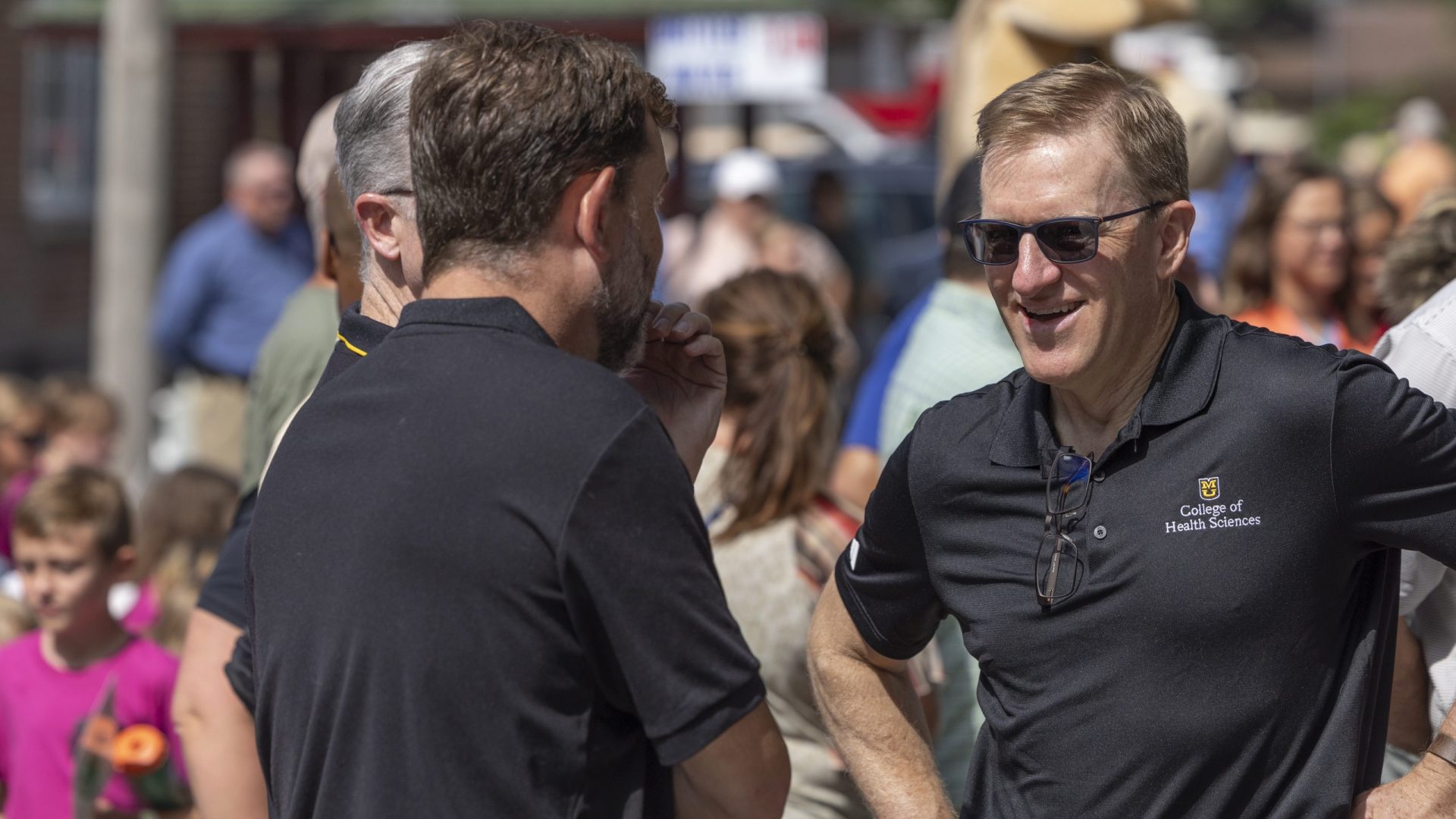
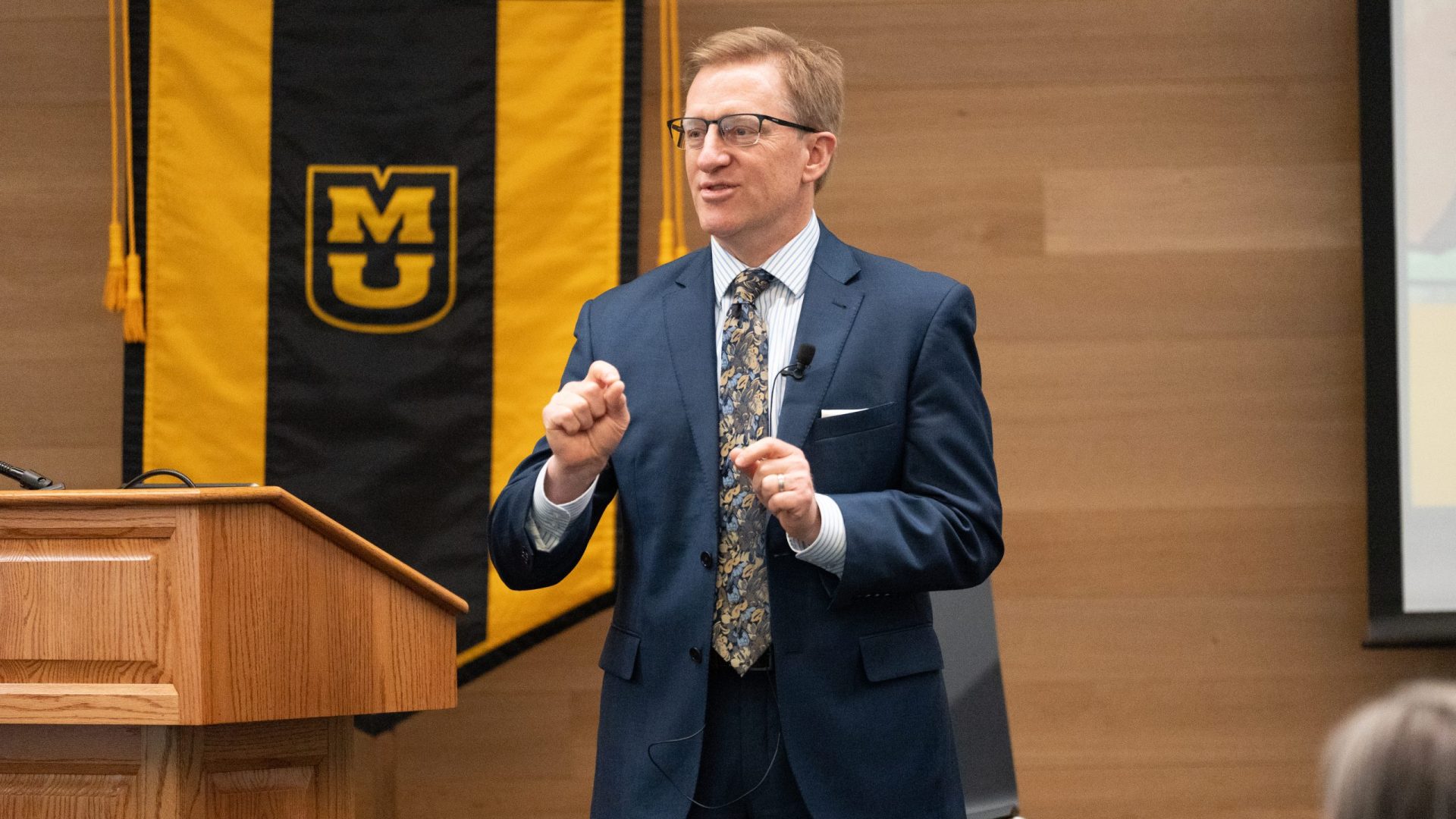
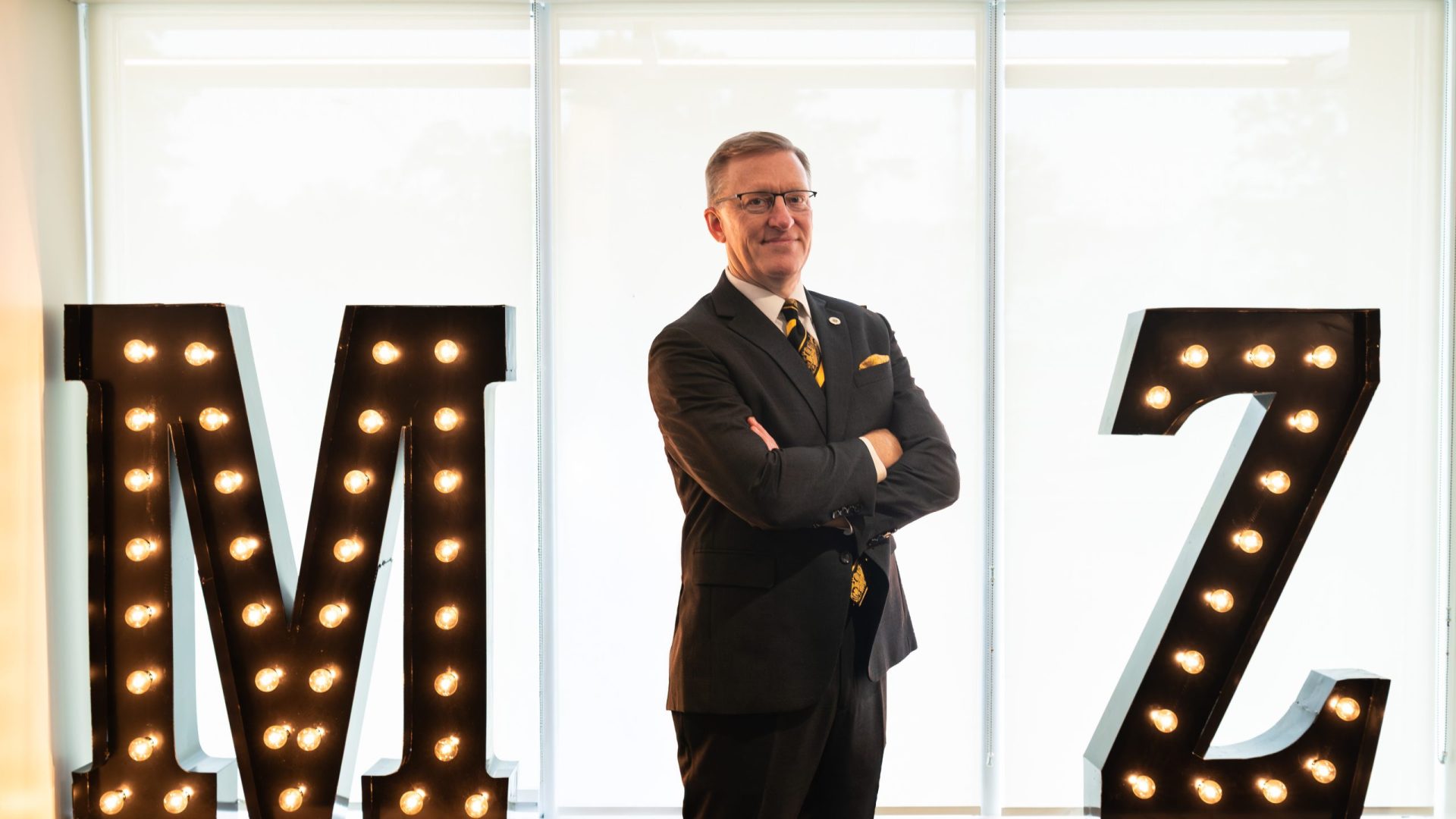 Kristofer Hagglund is preparing to retire from the University of Missouri after 13 years as dean of the College of Health Sciences. Photo by Sam Cox / University of Missouri


Story by Cheri Ghan, ghanc@health.missouri.edu
It’s the age-old question: What do you know now that you wish you had known then?
For Dean Kristofer Hagglund, who retires Aug. 1 after 25 years with the University of Missouri’s College of Health Sciences, the answer is simple.
“What I know now is that it’s all going to be OK,” Hagglund said. “No, not just OK. It will be good.”
As Hagglund prepares for his final Commencement ceremony and packs up his office, he does so knowing the college he helped shape is in strong hands. One of his first hires, Stephanie Reid‑Arndt, will take the reins as the next dean starting June 1. Hagglund said the transition leaves him confident about the college’s future.
“I am thrilled that Provost Martens chose Dr. Reid‑Arndt to serve as the next dean,” Hagglund said. “She has already proven herself to be a talented leader; her teams value working with her and so will everyone in the college.”
Over the past 13 years as dean of the College of Health Sciences, Hagglund has become one of the most consequential deans at the University of Missouri and carved a powerful and lasting legacy.
A systematic approach
Educated as a clinical health psychologist, Hagglund never planned to be a college administrator.
Early in his career, he served as the attending psychologist on the physical disabilities team at the Rusk Rehabilitation Center and as a principal investigator on a Missouri Model Spinal Cord system before stepping into a Robert Wood Johnson Foundation Health Policy Fellowship in Washington, D.C.
Working on Capitol Hill for U.S. Sen. Tom Harkin of Iowa, Hagglund focused on health policy and helped form legislation in public health, pharmacist workforce, rural health care access, and other health fields.
“I became much more knowledgeable about public health, health cost drivers, and health care quality,” Hagglund said. “I was fascinated with how health professions, policies and finances work together to deliver effective health care to people.”
That systems-level perspective would later define his leadership approach.
When he returned to Mizzou in 2000, then Dean Richard Oliver offered Hagglund a position as one of three associate deans in the newly created School of Health Professions (now the College of Health Sciences). Along with overseeing policy, space and curriculum development, Hagglund authored what became the university’s most popular undergraduate degree, the BHS in Health Science.
When Oliver retired in 2013, Hagglund was named dean.
Putting together the puzzle
“I like the big picture and seeing how things fit together,” Hagglund said. “I’ve been successful at seeing where things might be headed and preparing for them.”
That mindset translated into significant growth. During Hagglund’s tenure as dean, student enrollment increased by 60%, research expenditures quintupled and donor gifts reached $6.9 million in the most recent fiscal year — 55 times the amount given the year before he became dean.
The College has grown to host 23 degree programs in seven departments and the School of Social Work. That growth includes new bachelor’s degrees in Criminal and Justice Studies and Sports Science, the creation of the departments of Health Science and Public Health, and the integration of the School of Social Work and numerous other programs into the College.
For Hagglund, growth was never solely about numbers.
“I am most proud of hiring an outstanding team of leaders, faculty, chairs and staff members who are dedicated to the College’s mission,” he said. “They enjoy the work, are dedicated to it and strive for excellence.”
During his tenure as dean, Hagglund has also seen dramatic changes in research and scholarship.
“Research production in this college has quintupled, especially in grant expenditures and awards,” Hagglund said. “This is applicable research that helps people.”
Teaching remains a clear priority, he said, but it looks different than it once did. He said it has been wonderful to watch faculty members succeed, thrive and grow over the years.
“They are so sophisticated,” Hagglund said. “The faculty map course content to the course objectives, to the learning objectives and to the underlying themes in the course. It’s all a very sophisticated plan for instruction.”
But the road wasn’t always smooth. Hagglund acknowledged that some programs did not grow as anticipated, either because enrollment fell short or job markets shifted. “We closed a couple of programs. When we did, we tried to make as soft a landing as possible,” he said, noting the college attempted to ensure faculty and staff members had other opportunities before programs were closed.
Those challenges intensified in 2015, just two years into Hagglund’s time as dean, when the university grappled with an enrollment dip and subsequent budget issues after campus protests.
“The budget was terrible afterward,” Hagglund said. “But our enrollment stayed steady when many other colleges experienced declines. Our college pulled together, used our best practices for being respectful to all people and remembered our mission to improve health and wellness of others while understanding that we’re going to give a hand to anyone who needs it.”
Gazing into the future
Hagglund’s forward‑thinking approach continues to shape how he views the college’s future.
He sees opportunities in artificial intelligence, health and wellness, and non-traditional student education, though he cautioned against investing too heavily without clear demand.
“We have not yet hit a ceiling, so this will be a great opportunity for the next dean,” Hagglund said. “If we’re nimble and pay attention to trends and remain flexible enough to start new programs that meet those demands and trends, we could continue to thrive in significant ways.”
He also expressed pride in Reid‑Arndt’s leadership and encouraged her to chart her own course. He said he’s excited to see new directions she takes the College, noting she needs to “be herself” to truly be effective.
“It is the right time for a different approach,” Hagglund said. “Stephanie is faithful to the college and university, with great vision and a steady hand. The College will do well with her leadership.”
Next act
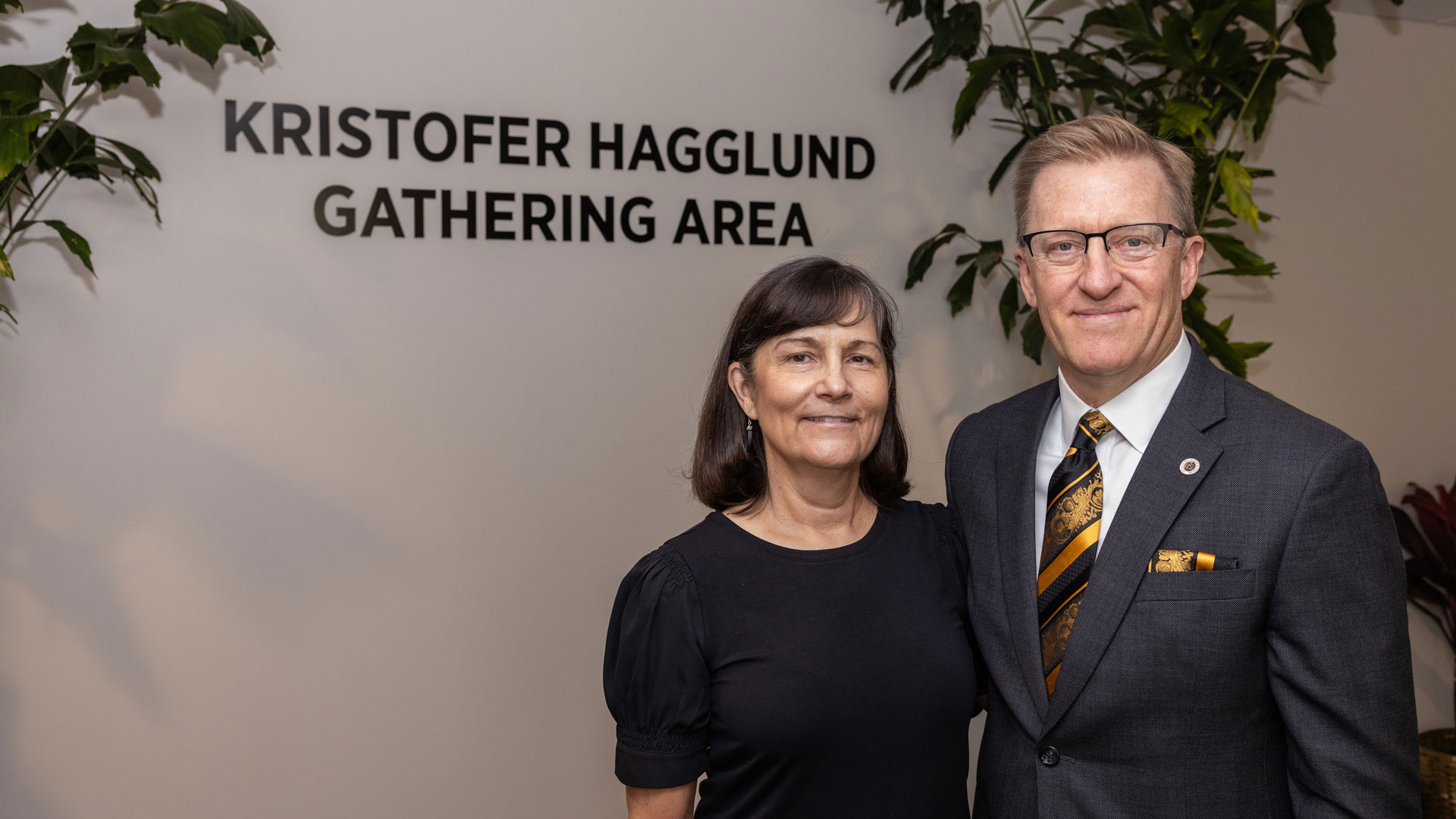
While Hagglund will remain on campus through the summer to assist with the transition, he is already planning his next chapter. He and his wife, Lori, are converting their yard to native plants and spending more time with their grandson, Nate.
Hagglund has also been preparing for his next chapter by honing his photography skills through undergraduate classes on campus.
“Yes, here I am, me and 15 undergraduates,” Hagglund said with a laugh. “And I have to hand it to them, they’re good to me, including helping me cross two generations’ of a divide in digital technology. It’s been great.”
Circling back to the initial question — what he wishes he had known — leads to what Hagglund hopes his legacy will be at Mizzou.
“If I had known that we were going to be so successful, I would have slept better,” he said with a laugh. “I hope my legacy is giving people opportunities to succeed professionally, to have their own leadership in the college, to make things better for the world, to follow our mission and to let things grow organically.”
“We’re doing what matters for people,” he said. “We’re graduating people who serve their communities, their clients and their patients — and they do it well.”
